
Activated carbon for formaldehyde removal: The key lies in scientific application
Activated carbon has a certain adsorption capacity for formaldehyde, but it should be viewed rationally. Many people regard activated carbon bags as the "arch enemy of formaldehyde", spreading them all over the room and feeling at ease, but the result is likely to be disappointing.
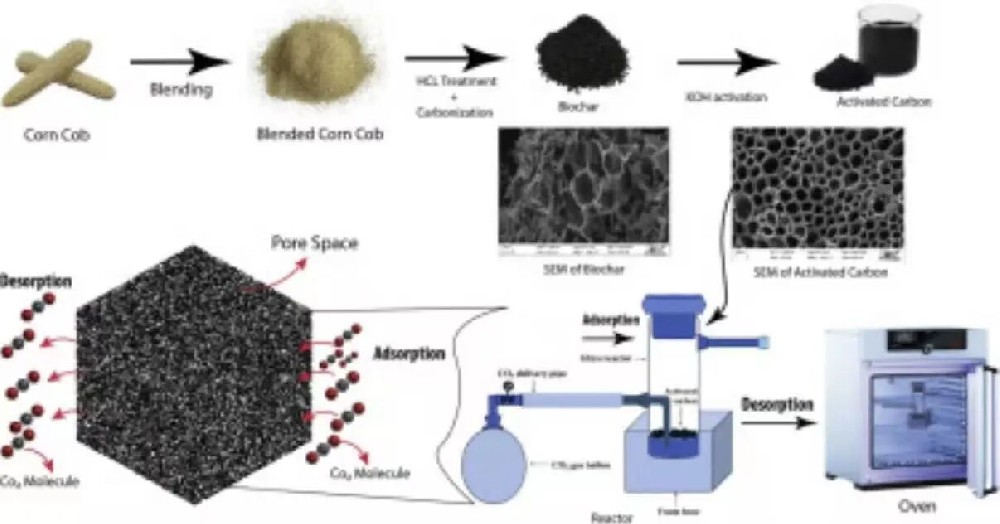
1. It is "adsorption" not "decomposition": Activated carbon is like a sponge, absorbing formaldehyde into its pores. But the sponge will become saturated. Once saturated, it may release the formaldehyde again when the temperature rises, causing "secondary pollution".
2. Its adsorption capacity for formaldehyde is limited: Compared to other large molecular gases, formaldehyde molecules are small and highly polar, and activated carbon has a relatively weak adsorption ability for it, making it more likely to reach saturation.
3. Passive adsorption, limited range: Activated carbon does not actively capture formaldehyde from distant sources. It only works on the air that flows over its surface. A packet of carbon placed in a corner cannot purify the entire room.
Therefore, the effectiveness of activated carbon in removing formaldehyde = high-quality carbon source + extensive use + regular replacement + combined with ventilation.
· Fujian Guangyuan Carbon Products Co.,Ltd.